
 10 July 2026
 Share
Share
1
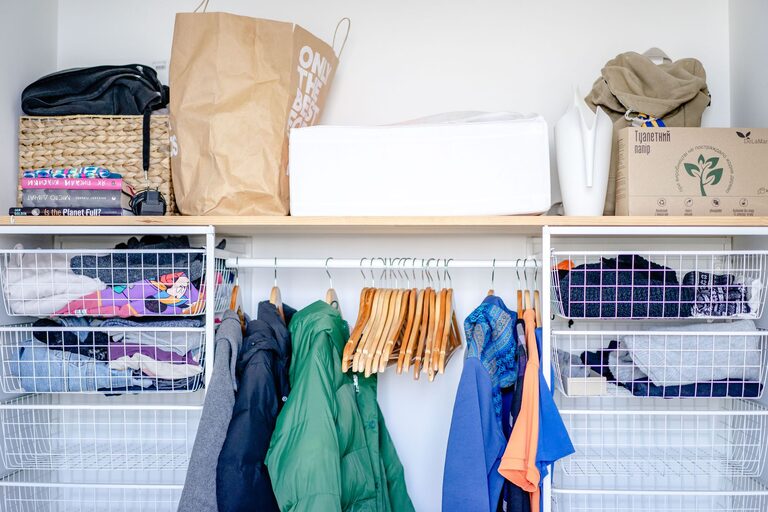
Storing seasonal clothes efficiently is a smart way to save space, protect your garments, and keep your wardrobe organized throughout the year. Whether you’re packing away bulky winter coats or lightweight summer dresses, having a clear plan can help you avoid clutter and damage. In this guide, we’ll explore practical tips and storage solutions to make seasonal clothing management simple and effective.
Seasonal clothes can take up significant closet or drawer space when not in use. Efficient storage helps you:
– Free up space in your everyday wardrobe.
– Protect clothes from dust, moisture, pests, and wrinkles.
– Make it easier to find and access items when the season changes.
– Extend the life of your clothing by reducing wear and tear.
With these benefits in mind, here’s how to get started.
Before packing seasonal clothes away, it’s important to prepare them properly. This helps prevent damage during storage.
Always wash or dry-clean clothes before storing. Dirt, sweat, and oils can attract insects and cause stains to set, leading to fabric damage.
– Wash according to garment care labels.
– Ensure clothes are completely dry to prevent mold and mildew.
Check for loose buttons, small tears, or broken zippers and repair them before storing. It’s easier to fix items when they’re out of storage, and you’ll avoid having to do it later when the clothes are back in use.
Take this opportunity to declutter. Sort clothes into three piles: keep, donate, or recycle. Store only the clothes you plan to use again.
The type of storage containers you use can influence how well your seasonal clothes stay preserved.
Plastic bins with airtight lids are excellent for protecting clothes from moisture and pests. Choose clear containers to easily identify contents.
– Avoid overpacking bins to prevent wrinkles.
– Use acid-free tissue paper to cushion delicate items.
These bags are great for saving space, especially for bulky items like winter coats and sweaters. They compress clothes by removing air.
– Be cautious with delicate fabrics as compression can cause creasing.
– Store vacuum bags in a cool, dry place.
For more delicate or frequently used seasonal items, breathable garment bags help protect from dust while allowing air circulation.
– Use sturdy hangers to maintain garment shape.
– Avoid plastic garment bags, as they can trap moisture.
If you have space, dedicate a drawer or shelf for seasonal clothes. Rotate items as seasons change to keep clothes accessible.
Different fabrics and clothing types require specific care when stored.
– Store wool, cashmere, and heavy sweaters folded in breathable containers.
– Use cedar blocks or lavender sachets to deter moths naturally.
– Avoid hanging heavy knitwear to prevent stretching.
– Light cottons, linens, and swimwear can be folded and stored in breathable containers.
– Keep swimsuits away from direct sunlight to prevent fading.
– Clean all sunscreen and lotions off clothes before packing.
– Clean shoes before storing and stuff them with paper to help retain shape.
– Store shoes in boxes or clear bins.
– Use small organizers or boxes for belts, scarves, and hats.
Where you store your clothes affects how well they stay preserved.
– Choose cool, dry, and dark locations such as under-bed storage, closets, or dedicated storage rooms.
– Avoid attics or basements prone to extreme temperatures and humidity.
– Use moisture absorbers to keep storage areas dry.
To keep your storage system working smoothly, rotate your wardrobe seasonally.
– When swapping clothes, inspect items for damage or stains.
– Refold clothes occasionally to prevent permanent creases.
– Replace natural pest deterrents like cedar blocks annually.
Efficiently storing seasonal clothes is all about preparation, choosing the right containers, and maintaining a routine. By following these tips, you can keep your wardrobe organized, protect your garments, and make dressing for any season easier and more enjoyable. With a well-planned storage system, you’ll have more space and less stress all year long. Happy organizing!